|
2026 Scientific Organizing Committee
The Scientific Organizing Committee is composed of leading experts who guide the scientific direction and program development of the meeting.
Chair
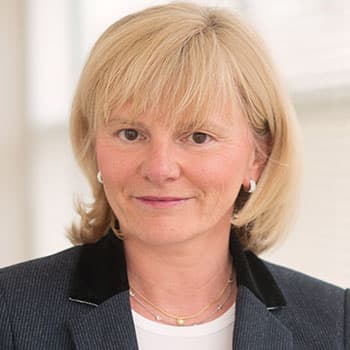 |
Karin Hoffmeister, MD, Chair
Dr. Karin Hoffmeister is a pioneering researcher in glycoscience and the Director of the Translational Glycomics Center at Versiti. Dedicated to advancing the clinical application of sugar molecule research, she leads innovative studies on the complex role of glycans in human health and disease. Her work specifically focuses on optimizing blood platelet transfusions and stem cell transplants, with a clear mission to bring glycomics into mainstream medical practice. Through her leadership, Dr. Hoffmeister is bridging the gap between fundamental glycan biology and transformative patient care.
|
|
Co-Chair
 |
Jennifer Kohler, PhD
Dr. Kohler is a professor of biochemistry at UT Southwestern Medical Center in Dallas, Texas. Her research group develops chemical biology methods to study the functions of mammalian glycococonjugates, particularly those in the intestinal epithelia. The team has worked in the area of infectious disease, defining glycoconjugate receptors for bacterial toxins, and in the area of cancer biology, investigating the regulatory pathways that allow colon cancer cells to alter cell surface glycosylation and evade the immune system. Current efforts focus on understanding how glycosylation of mucins is altered during colitis.
|
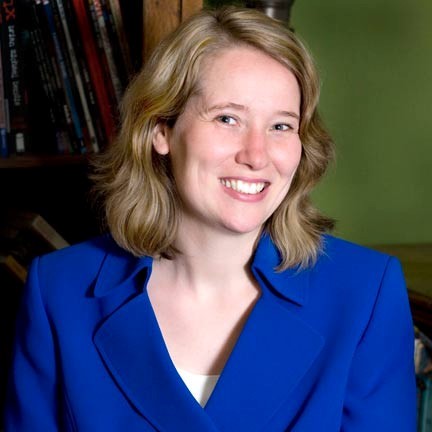 |
Jennifer Curtis, PhD
Dr. Curtis is Professor of Physics at Georgia Tech and directs the Curtis Lab for Cell and Matrix Biophysics. She is a quantitative biophysicist whose research integrates glycobiology, mechanobiology, and soft-matter physics to study how glycocalyx and extracellular matrices govern adhesion, migration, signaling, and tissue organization. Her work focuses especially on hyaluronan and the biophysical mechanisms by which extracellular polymers shape cell behavior. She serves as a Trustee of the International Society for Hyaluronan Sciences.
|
|
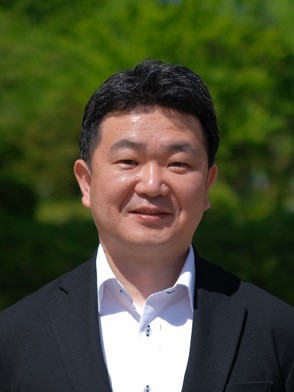 |
Morihisa Fujita, PhD
Dr. Fujita, Professor at the Institute for Glyco-core Research (iGCORE), Gifu University. He received his PhD from the University of Tsukuba in 2006 and subsequently conducted postdoctoral research at AIST in Japan and at the University of Geneva in Switzerland. He joined Osaka University as a Specially Appointed Assistant Professor in 2008 and became an Assistant Professor in 2012. In 2014, he was appointed Professor at Jiangnan University in China, and in 2022 he assumed his current position at Gifu University. His research focuses on the biosynthesis, transport, and engineering of glycans including GPI-anchors, N-glycans, and HMOs.
|
|
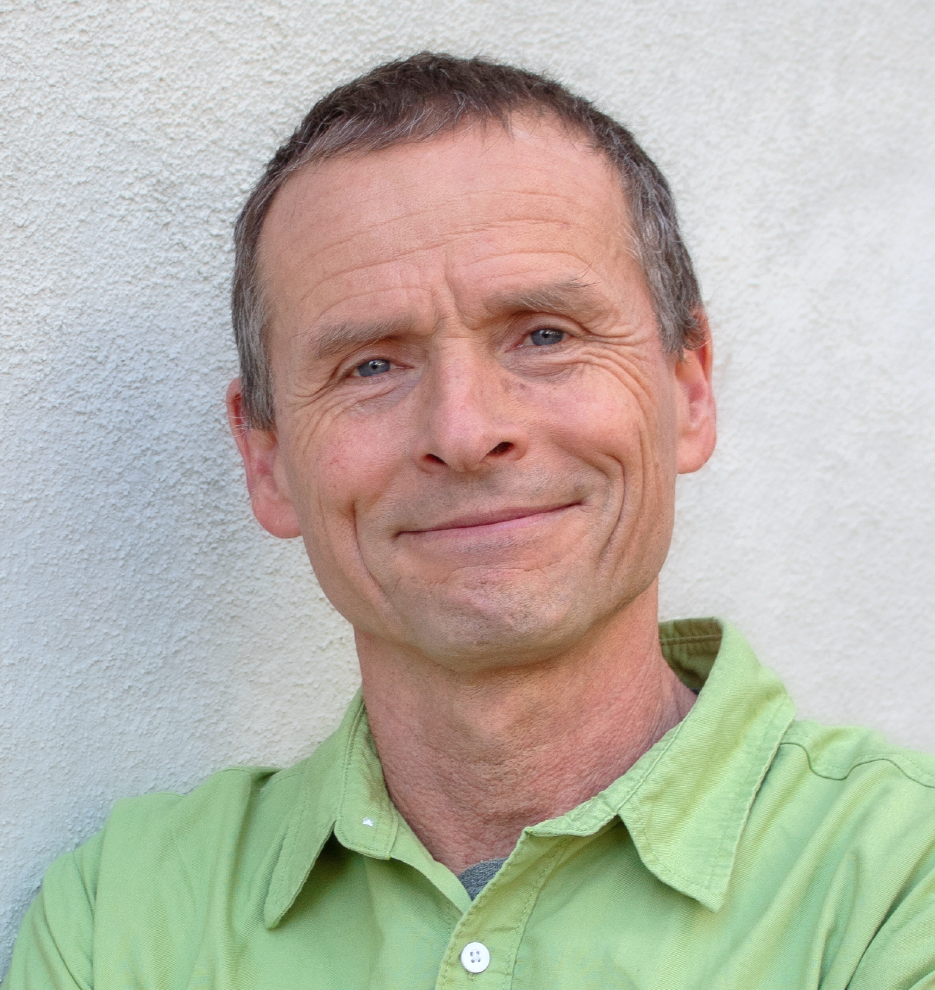 |
Pascal Gagneux, PhD
Dr. Gagneux is an evolutionary biologist studying the role of glycans and their contribution to patterns of molecular diversity across life. His interest range from glycan-lectin mediated mechanisms of self/non-self detection in the context of mammalian reproduction and immunity to uniquely human sialic acid biology. The Gagneux laboratory investigates how glycan diversity has become a driving force of evolution in its own right, by contributing to reproductive incompatibility and differential susceptibility to differing pathogen regimes faced by different evolutionary lineages. He is the Executive Co-Director of the Center for Academic Research and training in Anthropogeny (CARTA), a UC San Diego/Salk Center for the study of Human Origins and currently also the Chair of the Department of Anthropology at UC San Diego.
|
|
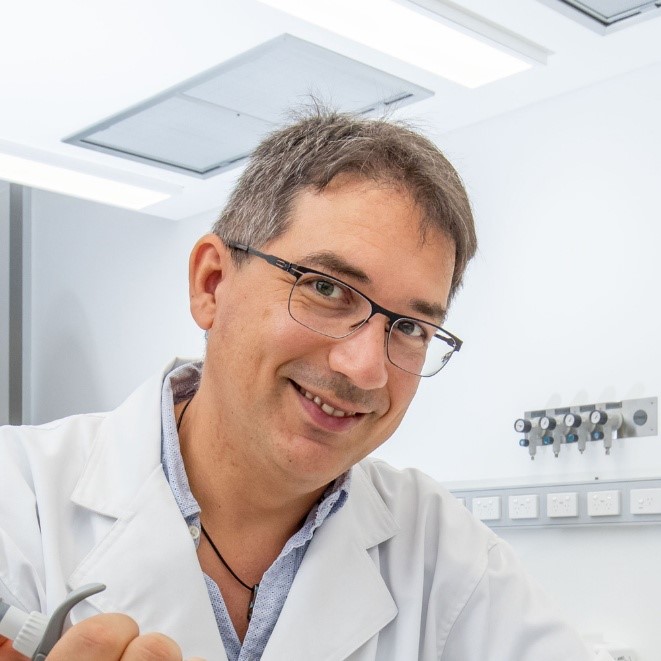 |
Daniel Kolarich, PhD
Dr. Kolarich is a Principal Research Leader at the Institute for Biomedicine and Glycomics at Griffith University, where he leads a team dedicated to understand the role of protein glycosylation in health and disease. His research focuses on developing and applying MS-based analytical glycobiology techniques in glycomics and glycoproteomics to decipher how glycosylation regulates signalling and cellular interactions. He has made substantial contributions to cancer glycomics, biomarker discovery, and a current major focus in his lab is the role of glycosylation in stem cell signalling. He is strongly committed to interdisciplinary collaboration, research infrastructure development, and the training of the next generation of glycoscientists.
|
|
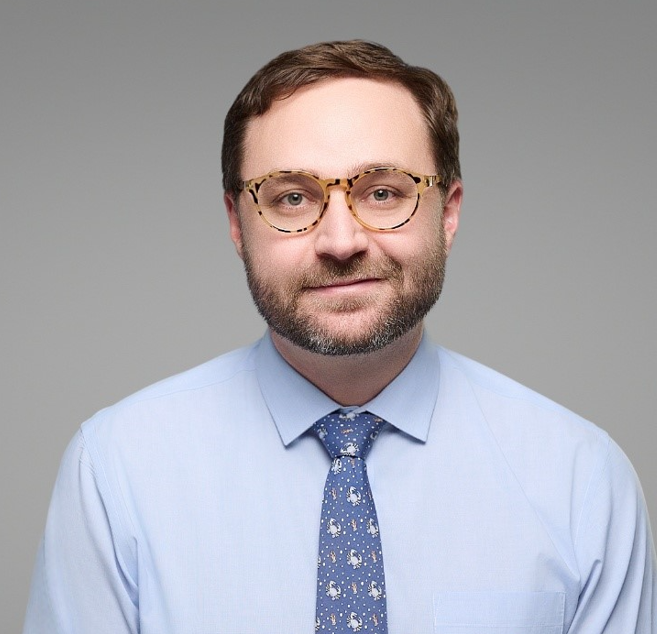 |
Robert Mealer, MD, PhD
Dr. Robert “Robbie” Mealer is an Assistant Professor of Psychiatry and Genetics at UNC Chapel Hill, and a member of the UNC Neuroscience Center. His training includes an MD and PhD in Neuroscience from Johns Hopkins University, Psychiatry Residency at Massachusetts General Hospital/McLean, and post-doctoral training in genetics at Massachusetts General Hospital/Broad Institute and glycobiology at Beth Israel Deaconess Medical Center. His research focuses on protein glycosylation in brain development and disease, as genetic variants in glycosylation enzymes are associated with risk for several neuropsychiatric disorders. The Mealer Lab hopes to develop new diagnostics and treatments for conditions ranging from intellectual disability to epilepsy and schizophrenia to Alzheimer’s disease by applying glycobiology tools to the study of molecular neuroscience.
|
|
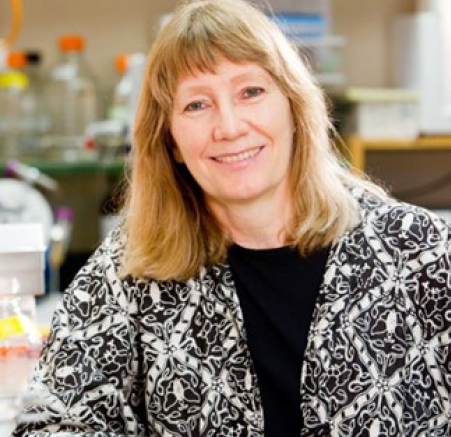 |
Debra Mohnen, PhD
Dr. Mohnen is Distinguished Research Professor at the Complex Carbohydrate Research Center and Department of Biochemistry and Molecular Biology, University of Georgia, USA. She studies pectin synthesis, structure, function and roles in wall architecture and plant cell expansion. Her research on the synthesis of homogalacturonan and rhamnogalacturonan led to the discovery of the GAUT and RGGAT families of glycosyltransferases and of pectin as a family of heteroglycans and glycoconjugates. Part of her research focuses on improving plant biomass yield, sustainability and composition for production of biofuels and biomaterials. Her fundamental research focuses on using phylogeny, molecular genetics, biochemistry and chemistry to identify the unique pectic glycan components of pectic heteroglycans and proteoglycans and to determine their individual and overlapping structures and functions.
|
|
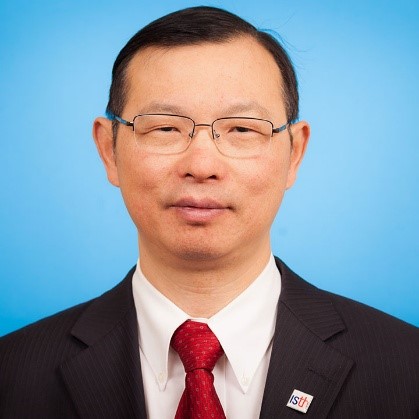 |
Heyu Ni, MD, PhD, FCAHS
Dr. Ni is a Professor, Medicine, Professor, Physiology and Professor, Laboratory Medicine and Pathobiology at the University of Toronto and Senior Scientist, Canadian Blood Services Centre for Innovation. Dr. Ni’s laboratory currently investigates the roles of adhesion molecules involved in hemostasis and thrombosis, inflammation/immune response, and tumorigenesis. His research team is currently studying the mechanisms of these processes using a confocal intravital microscopy suite, proteomics, and gene targeted mice. By directly monitoring molecular/cellular events in vivo, they hope to uncover some novel mechanisms of platelet aggregation, platelet-leukocyte/cancer cell interactions to enrich our knowledge in heart attack and stroke, inflammation and tumor metastasis. The laboratory also studies allo- and autoimmune diseases related to bleeding disorders such as Immune Thrombocytopenia (ITP), Fetal and Neonatal Alloimmune Thrombocytopenia (FNAIT).
|
|
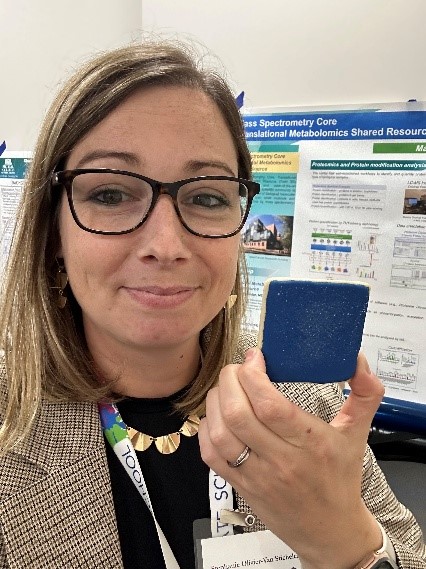 |
Stephanie Olivier-Van Stichelen, PhD
Dr. Olivier-Van Stichelen, Ph.D., is an Associate Professor of Biochemistry at the Medical College of Wisconsin. Her research focuses on O-GlcNAcylation, a nutrient-sensitive modification that regulates metabolism, development, and disease. She integrates experimental and computational approaches, including developing resources like the O-GlcNAc Database.
|
|
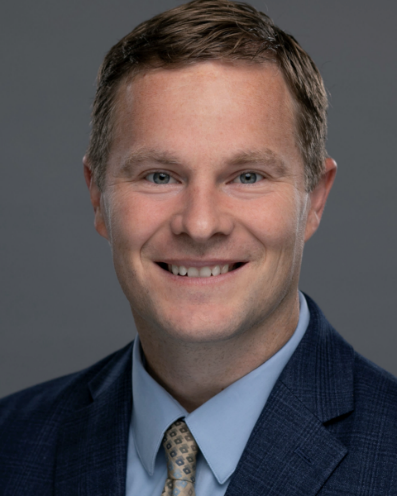 |
Sean Stowell, MD, PhD
Sean R. Stowell, MD, PhD serves as the Medical Director of Apheresis, Pathology at Brigham and Women’s Hospital. He is also an Associate Professor, Pathology at Harvard Medical School. Dr. Stowell is a clinical pathologist and immunologist, with interests in RBC alloantibodies, inhibitors to factor VIII, neonatal transfusion medicine, and glycobiology, among others. His translational research laboratory evaluates factors influencing RBC alloantibodies as well as the consequences of these antibodies.
|
|
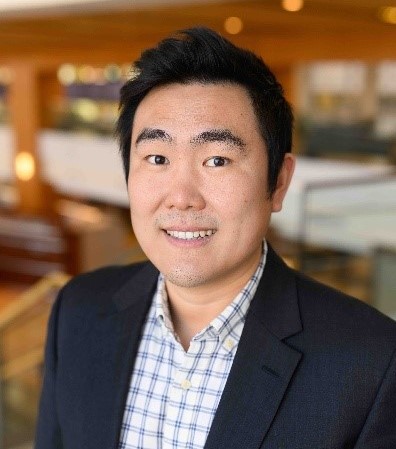 |
Ramon Sun, PhD
Dr. Sun is a computational and experimental biochemist at the University of Florida College of Medicine, where he holds the Anne and Oscar Lackner Endowed Eminent Scholar Chair and serves as Associate Professor of Biochemistry & Molecular Biology. He directs the UF Center for Advanced Spatial Biomolecule Research (CASBR), one of the largest spatial metabolomics platforms in the world, and serves as Associate Director of the McKnight Brain Institute. His laboratory combines advanced AI and machine learning techniques with cutting-edge experimental approaches to interrogate complex biological problems, with a focus on how metabolic reprogramming drives neurodegeneration, cancer, and the protective effects of exercise. Dr. Sun is the 2024 recipient of the Society for Glycobiology Significant Achievement Award. His work has been published in journals including Cell, Cell Metabolism, Cancer Cell, Nature Metabolism, and Nature Communications, and his research program is supported by multiple NIH R01 and RM1 awards.
|
|
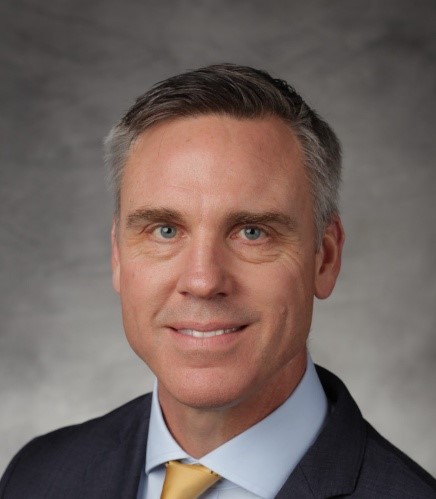 |
Eric Sundberg, PhD
Dr. Sundberg, is Endowed Professor and Chair of the Department of Biochemistry at Emory University School of Medicine. His research has led to foundational discoveries defining the molecular mechanisms and substrate specificities of IgG‑specific endoglycosidases, revealing how these enzymes remodel antibody glycosylation to regulate immune effector functions. These discoveries have resulted in multiple issued and pending patents and have directly enabled the development of novel therapeutic strategies targeting IgG-mediated pathologies, including severe viral and autoimmune diseases. Dr. Sundberg is a co‑founder of the biotechnology companies Seismic Therapeutic and Rhapsogen, Inc., which translate academic innovation into clinical‑stage antibody and enzyme‑based immunotherapies. He is deeply committed to mentoring students and trainees across undergraduate, graduate, medical, and postdoctoral levels, as well as early-stage faculty.
|
|
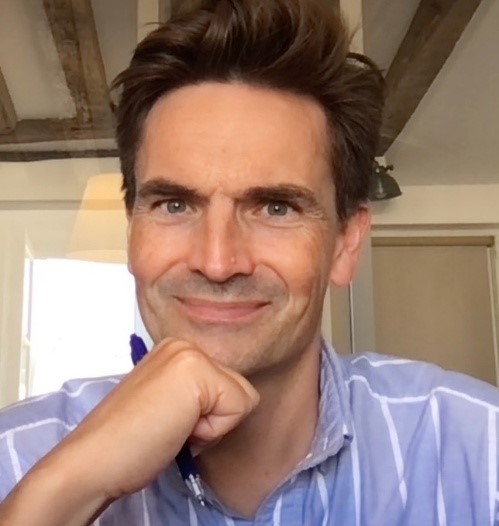 |
Hans Wandall, Professor, MD, PHD, CCG, ICMM
Dr. Wandall is a Professor and Center Director of the DNRF Copenhagen Center for Glycocalyx Research, and Deputy Head of Department at ICMM, University of Copenhagen. His research uses genetic engineering, engineered 3D tissue and organoid models, mass spectrometry, and O- and N-glycoproteomics to define glycan functions in tissue biology and cancer, including the development of cancer-specific targeting antibodies. He also translates these discoveries through company-building as co-founder of GO Therapeutics, Cymab, and Hemab.
|
|
|